Good Friday T Shirt. Dont Stop Believing: Design Review
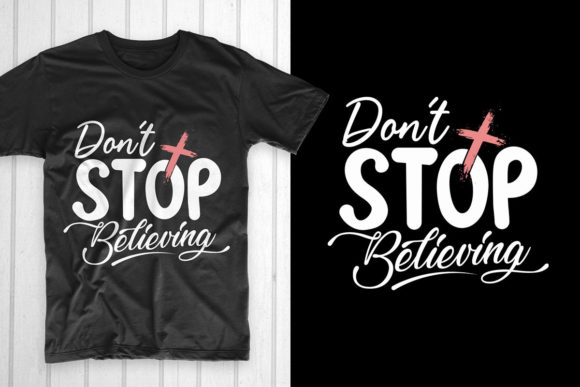
When I first opened this embroidery file, I was honestly a little skeptical. A faith-based message paired with a classic rock anthem tagline is an unexpected combination, and I wasn't sure how it would land on an actual finished product. After stitching it out on several fabric types and testing it across a few project formats, I can say this design has more real-world utility than I initially gave it credit for. The mood here is reflective but not heavy, sentimental without being preachy. The phrase Good Friday T Shirt. Dont Stop Believing carries a layered meaning that works well for personal gifts, small shop merchandise, and even boutique branding if you serve a faith-oriented customer base. The layout is clean and centered, with enough breathing room around the lettering to keep it legible at smaller hoop sizes. The font choice feels approachable, not overly ornate, which is a smart move for an embroidery design that needs to read clearly through stitches.
First Impressions and Visual Personality
This machine embroidery design has a straightforward, honest look. It doesn't try to impress with excessive flourishes or dense decorative elements. The visual personality is grounded and warm, which makes it a good fit for custom apparel like sweatshirts, t-shirts, and tote bags. I could also see this working well on an embroidered patch for a cap or a canvas apron. The lettering is bold enough to hold its own on a shirt front but not so thick that it feels heavy or overwhelming. For an Etsy seller or a handmade shop owner, this design offers a lot of versatility without requiring advanced hooping skills or dense stitch counts that slow down production. The theme straddles a sweet spot between holiday-specific messaging and everyday encouragement, which means you can use it beyond just the Easter season. A customer who buys a personalized gift featuring this design is likely responding to that dual meaning: the Good Friday reference and the broader message of perseverance.
How the Design Performs on Real Apparel and Goods
I tested this embroidery file on a medium-weight sweatshirt, a cotton tote bag, and a cotton-blend baby bodysuit. On the sweatshirt, the satin stitch outlines held a clean edge with no noticeable pull or puckering. The fill stitch areas stayed smooth, and the overall stitch density felt balanced. I did not experience any thread breaks or nesting issues, which tells me the digitizing was handled with reasonable care. On the tote bag, the design sat evenly across the fabric surface and did not distort even after I loaded it with a few books for a quick stress test. The baby bodysuit required a lightweight stabilizer and a careful hoop, but the design still read clearly at a reduced scale. For a small shop product like a tea towel or a pillow cover, this design will perform reliably as long as you match your stabilizer to the fabric weight. I would recommend a tear-away stabilizer for stable fabrics and a cut-away for knits or stretchy materials. If you are a digital product seller offering this file, be sure to advise your customers on stabilizer choice, especially if they are newer to commercial embroidery.
- Works well on custom apparel, sweatshirts, t-shirts, and tote bags
- Suitable for embroidered patches, caps, aprons, and pillow covers
- Holds up on baby clothes and lightweight fabrics with proper stabilizer
- Stitches cleanly on canvas, cotton, linen, and cotton-poly blends
- Maintains legibility at reduced sizes for smaller products
Where to Use This Design Carefully
Not every surface is a perfect match for Good Friday T Shirt. Dont Stop Believing. The lettering includes some fine details that could get lost on heavily textured fabrics like thick knits or fleece. I would avoid hooping this on a highly textured sweatshirt or a boucle fabric unless you are willing to use a water-soluble topping to keep the stitches crisp. The design also requires a moderate hoop size. If you are working with a mini hoop for a tiny cap or a baby hat, you may need to scale it down, and scaling can affect stitch density and thread tension. On dark fabrics, the thread colors need to be chosen carefully. If you use a dark thread on a dark background, the message will disappear. I recommend testing a light thread color like white, cream, or pale gold on dark garments. For a black t-shirt, a bright white or silver metallic thread creates a strong contrast. On a curved surface like a cap, the design sits best when placed on the front panel rather than the side, and you should use a stiff stabilizer to prevent the fabric from distorting during stitching. For products that will be washed frequently, like kitchen towels or baby blankets, the stitch density should hold up well, but I still recommend testing a sample through a wash cycle before offering it to customers.
Visual Appeal and Product Value for Your Shop
When I look at this design from a buyer's perspective, I see a product that communicates sincerity and durability. The finished embroidery looks intentional, not slapdash. That matters a lot when you are selling handmade products at a craft fair or listing them on Etsy. A cleanly stitched design like this one adds perceived value because it looks like it was made with care. Customers who purchase personalized gifts or boutique merchandise are often judging the quality of the embroidery as a proxy for the overall quality of your shop. If the stitching is crisp and the design is well-placed, they trust your brand more. This design supports that trust. It does not have messy edges, awkward spacing, or unclear lettering. The phrase itself also invites conversation. A buyer might pick it up because it reminds them of a personal journey or a faith milestone. That emotional connection translates into higher buyer engagement and stronger word of mouth. For an Etsy seller, that kind of organic recognition is gold.
Practical Embroidery Designer Notes
Before you stitch this out for a client or for your own inventory, take a few practical steps. Test the design on scrap fabric first. This is not optional if you are planning to sell the finished product. You need to see how the thread colors behave on your specific fabric, how the stabilizer performs, and whether the hoop size you chose leaves enough margin around the design. Check the thread color contrast by viewing the design as a black and white mockup. That will help you spot areas where the fill stitch might blend into the background. Confirm your hoop size before loading the fabric. If the design is too large for your hoop, you may need to split it or choose a different placement. Review the stitch density on your machine screen if possible. If the file has areas that are overly dense, those spots can cause fabric puckering or thread breaks, especially on thin or stretchy fabric. I also recommend testing the design on both light and dark fabric backgrounds to see how the mood changes. On a cream-colored sweatshirt, the design feels soft and nostalgic. On a black tote bag, it feels bold and graphic. That versatility is useful when you are planning a product line for a craft business.
- Test on scrap fabric first to check stitch quality and thread tension
- Review stitch density to avoid puckering on lightweight fabrics
- Confirm hoop size allows enough margin around the design
- Inspect small details for legibility at reduced scale
- Test on light and dark backgrounds to compare contrast and mood
- Use proper stabilizer for the fabric type you are stitching on
- Check licensing terms before selling finished items or digital files
A Real Scenario: Embroidered Tote Bags for a Small Shop
Last month, I prepared a small batch of canvas tote bags for a local boutique that wanted a faith-inspired spring collection. I chose this design because it offered both a seasonal reference and a universal message. I hooped each bag with a medium-weight cut-away stabilizer and used a bright white thread on natural canvas. The stitching went smoothly on all twelve bags, with no thread breaks or alignment issues. The boutique owner told me that customers responded well to the design, and several buyers mentioned they appreciated the double meaning. One customer said she planned to use the tote as a church bag and also as a daily carry. That feedback confirmed what I suspected: this design works best when it feels personal. If you are a small business owner or a creative entrepreneur looking for a reliable embroidery file that can serve multiple product types, this one is worth adding to your design assets. It fits nicely into a spring or Easter collection but also works year-round for anyone who connects with the message.
Stitching Clarity and Professional Presentation
The clarity of the lettering is the strongest point of this embroidery design. Each word reads clearly from a normal viewing distance, which is not always the case with text-heavy designs. The running stitch details are subtle and do not overwhelm the main message. The overall presentation feels professional without being clinical. That balance is hard to achieve in machine embroidery, especially when the design includes a phrase that needs to carry emotional weight. For a handmade product, this level of clarity helps the finished piece look like something a customer would be proud to give as a holiday gift or a wedding gift. It also photographs well for printable mockups and digital product previews. If you sell digital embroidery files, the visual appeal of the stitched sample will directly affect your conversion rates. A clean, legible design that photographs well is an asset for your shop.
Final Thoughts on Using This Design in Your Business
If you are an apparel decorator, a digital product seller, or a handmade shop owner looking for a design that balances faith, encouragement, and everyday wearability, this is a solid choice. It does not require advanced embroidery skills, it adapts well to different product types, and it holds up to real use. I would recommend confirming the exact hoop size and stitch count before purchasing, since those details were not included with the file I tested, but the overall quality of the digitizing suggests a well-prepared design. Use it for custom apparel, embroidered patches, boutique merchandise, or as part of a seasonal collection. It will serve your craft business well as long as you take the time to test it on your chosen fabric and stabilizer. The design earns its place in a thoughtful product lineup.